What Is Invisalign for Mild to Moderate Crowding?
Invisalign treatment for mild to moderate crowding typically takes 6 to 9 months for mild cases and 9 to 15 months for moderate cases. Your actual timeline depends on how consistently you wear your aligners, the specific movements your teeth need to make, and whether refinements are needed at the end.
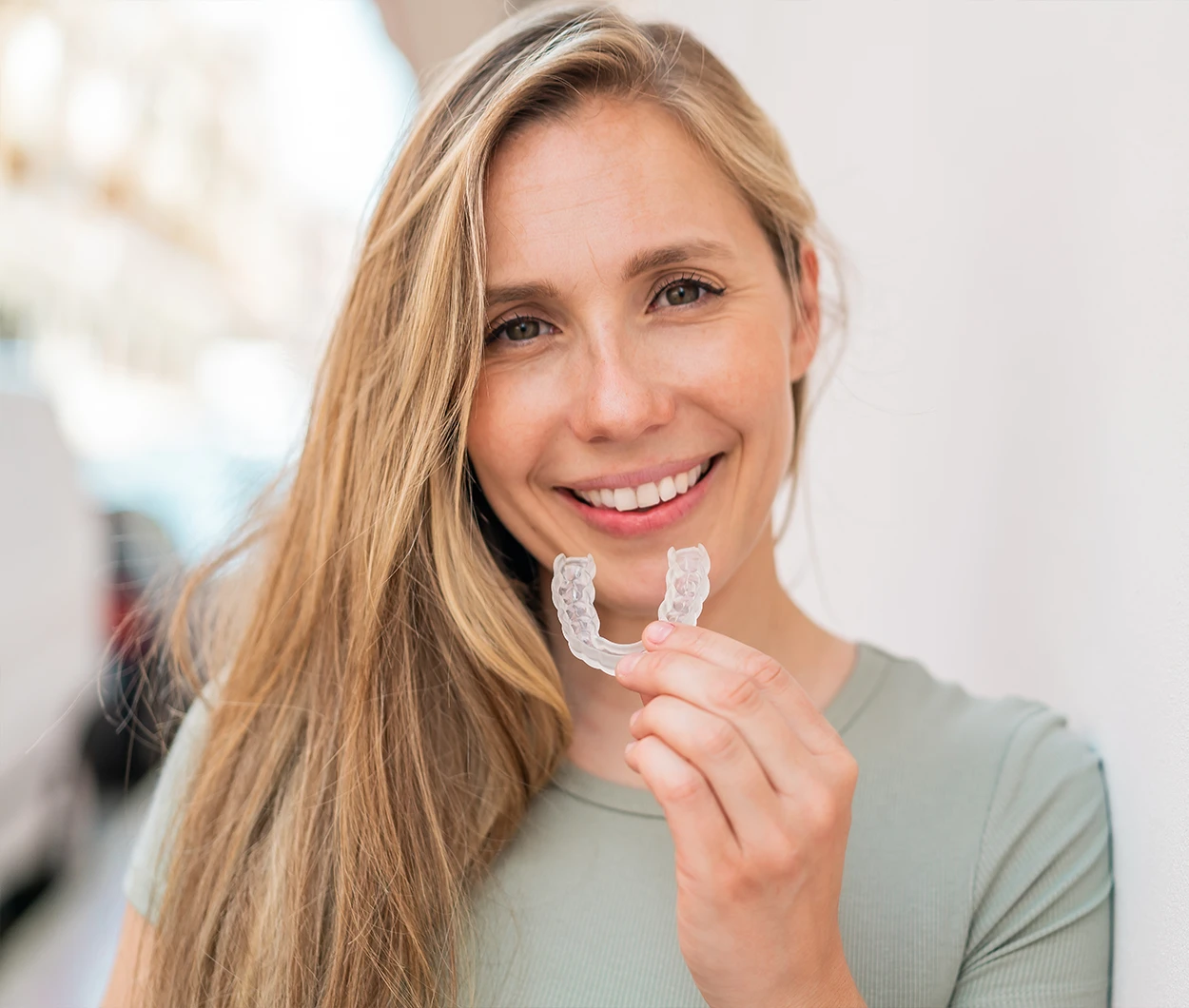
Wondering how quickly Invisalign can straighten overlapping or twisted teeth? The system uses a series of clear, removable trays to gradually shift crowded teeth into proper alignment. Each aligner applies gentle, controlled pressure to specific teeth, moving them a small amount before you switch to the next tray.
What counts as mild versus moderate crowding?
Mild crowding means your teeth have 1 to 3mm of space deficiency. You might notice slight overlapping in your front teeth or minor twisting. Moderate crowding involves 4 to 6mm of space deficiency, where teeth noticeably overlap or rotate, making flossing difficult and affecting your smile’s appearance.
Most mild to moderate crowding cases respond well to Invisalign treatment. Patients typically work through a series of aligners, wearing each one around 22 hours a day per Invisalign clinical guidelines. The trays come out only for eating, drinking anything other than water, and brushing your teeth.
Dr. Boller, DDS, MS, a specialist-trained orthodontist, evaluates each patient’s crowding pattern individually. Some teeth need to tip into position, others need rotation, and some require both. Understanding these specifics helps Dr. Boller apply her clinical precision and an artist’s eye to every case. Subtle differences in tooth shape, root angle, and bite relationship all factor into how the personalized plan is built.
How Long Does Invisalign Typically Take? (Timeline by Severity)
Your Invisalign timeline breaks down based on how much space your teeth need to find their proper positions. Here’s what you can realistically expect.
How Long Does Mild Crowding Take?
Mild crowding typically takes 6 to 9 months with Invisalign. Smaller movements get you to alignment faster, and patients usually wear a shorter series of aligners, switching to a new set every one to two weeks. Many patients start noticing visible improvement within the first two to three months. Progress shows up fast.
How Long Does Moderate Crowding Take?
Moderate cases require more aligners and often involve added techniques to create space. Dr. Boller may recommend attachments or interproximal reduction (IPR) to help your teeth move more predictably. The process takes patience, but the results are worth the time invested.
What are attachments and IPR?
Attachments are small, tooth-colored bumps bonded to specific teeth. They give aligners something to grip, allowing for more precise movements like rotation. IPR involves carefully removing tiny amounts of enamel between teeth to create just enough room for your teeth to shift comfortably into alignment. Both techniques are common, comfortable, and help your treatment stay on track.
What Is the Refinement Phase?
After your initial set of aligners, you might need refinement trays. These address any teeth that didn’t move quite as planned. Refinements typically add two to three months but ensure your final results match your goals.
The biggest factor in your timeline?
Compliance. Wearing aligners around 22 hours a day keeps treatment moving forward. Every hour you skip adds up, potentially extending your treatment by weeks or months. The trays can only move your teeth when they’re actually in your mouth.
Benefits of Choosing Invisalign for Crowded Teeth
Invisalign offers real perks for treating crowding, especially if you’re concerned about how orthodontic treatment will fit into your daily life.
Are Invisalign Aligners Really Discreet?
Yes. The clear plastic trays are difficult to notice in conversation, photos, or professional settings. Most people won’t realize you’re straightening your teeth unless you tell them. Discretion matters in the boardroom or for senior pictures.
Can You Eat Normally with Invisalign?
Unlike braces, you take your aligners out for meals. No food restrictions. No struggling to floss around wires. You brush and floss normally, which keeps your teeth and gums healthier throughout treatment.
How Often Do You Visit the Practice?
Treatment typically requires check-ins every 6 to 10 weeks rather than monthly adjustments. This works well for busy schedules and gives Dr. Boller time to evaluate progress without disrupting your routine.
A few more reasons patients choose clear trays:
- Smooth plastic doesn’t irritate your cheeks and lips the way brackets and wires can. You’ll feel pressure when you switch to a new aligner, but sharp edges and poking wires aren’t part of the experience.
- Dr. Boller uses 3D digital scanning and treatment planning software to plan your tooth movements. You can actually see a preview of your projected results before treatment begins.
- Because you can brush and floss without obstacles, you’re less likely to develop cavities or gum inflammation during treatment. This matters, especially for crowded teeth that already trap plaque easily.
Invisalign vs. Braces for Mild to Moderate Crowding
Both Invisalign and traditional braces effectively correct crowding. Invisalign typically treats mild-to-moderate crowding noticeably faster than traditional braces. Choosing between them comes down on your priorities, lifestyle, and specific orthodontic needs.
| Factor | Invisalign | Traditional Braces |
|---|---|---|
| Treatment Time (Mild-Moderate Crowding) | 6-15 months | 12-24 months |
| Visibility | Nearly invisible | Visible brackets and wires |
| Removability | Yes, for eating and cleaning | Fixed throughout treatment |
| Comfort | Smooth plastic, minimal irritation | Potential bracket and wire discomfort |
| Compliance Required | High (22 hours a day) | Built-in (always working) |
| Visits to the Practice | Every 6-10 weeks | Every 4-6 weeks |
| Oral Hygiene | Easy, normal brushing/flossing | More challenging, special tools needed |
When Invisalign makes sense
You want discretion, you’re disciplined about wearing aligners consistently, and your crowding doesn’t involve severe rotations or complex bite issues.
When braces might work better
You prefer not to think about compliance, your crowding involves significant rotation, or you have bite problems that need simultaneous correction.
For most mild to moderate crowding cases, cost falls within a similar range for both options. Dr. Boller discusses pricing specifics during your free consult, factoring in your insurance coverage and available payment plans.
The clinical precision required for either treatment remains the same. At Boller Orthodontic Arts, every smile is designed with intention, whether that involves aligners or brackets.
Factors That Affect Your Invisalign Timeline for Crowding
Several variables influence how long your Invisalign treatment will actually take. Understanding these helps you set realistic expectations.
How Does Crowding Complexity Affect Timeline?
Not all crowding is equal. Simple tipping movements happen faster than rotations. Teeth that need to move in multiple directions take longer than teeth requiring straightforward shifts. If your crowding involves severely rotated teeth, expect added time. Tooth shape and root length also play a role in how quickly each tooth responds.
Why Does Compliance Matter?
This deserves repeating: 22 hours of daily wear is essential for staying on schedule. Taking aligners out for an extra hour here and there might seem minor, but it adds up. Patients who consistently hit the recommended wear time finish on time. Those who fall short on wear time often need additional treatment months. Building a routine around meals and brushing helps most patients stay on track.
How Does Age Affect Treatment?
Adult bone is denser than adolescent bone, which can slightly slow tooth movement. This doesn’t mean adults can’t use Invisalign successfully. It simply means a specialist-trained orthodontist accounts for this when planning your treatment timeline. Teen patients often see slightly faster movement thanks to active growth and bone remodeling.
What Auxiliary Tools Might You Need?
Attachments, rubber bands, and IPR all help teeth move predictably. If Dr. Boller recommends these, they’re meant to keep your treatment on track, not extend it unnecessarily. Each tool plays a specific role in producing the precise movements your case requires.
How Do Bite Issues Change the Timeline?
Crowding rarely exists in isolation. If you also have an overbite, underbite, or crossbite, correcting these alongside your crowding adds time. Dr. Boller addresses everything together for stable, long-lasting results.
Will You Need Refinement Aligners?
Even with perfect compliance, some teeth don’t track exactly as planned. Refinement aligners fine-tune your results. Most patients need at least one round of refinements, adding two to three months to the total timeline.
Are You a Good Candidate for Invisalign?
Clear trays work beautifully for many patients, but they aren’t the right choice for everyone. Here’s how to see if Invisalign fits you.
Ideal candidates typically have:
- Mild to moderate crowding without severe bite problems
- Healthy teeth and gums free from active decay or periodontal disease
- The discipline to wear aligners 22 hours a day without frequent reminders
- Realistic expectations about treatment duration and compliance requirements
Both adults and teens qualify. Invisalign Teen includes compliance indicators and replacement aligners for the occasional lost tray. Responsible teenagers often do wonderfully with clear aligners, and many families choose this option for its flexibility around school, sports, and social events.
Cases that may need braces or a hybrid approach:
- Severely rotated teeth requiring precise torque control
- Impacted teeth that need to be guided into the arch
- Complex bite corrections requiring fixed mechanics
- Patients who know they won’t consistently wear removable aligners
The only way to know for certain? A free consult with Dr. Boller, a specialist-trained orthodontist. She examines your teeth, takes digital scans, and explains exactly what your treatment would involve. This evaluation reveals whether Invisalign can achieve your goals or whether another approach makes more sense.
Frequently Asked Questions
How fast can I see results from Invisalign for crowding?
Most patients notice visible changes within the first two to three months. Front teeth often show improvement first since they’re smaller and move more readily. The most dramatic shift happens gradually over your full treatment period. Taking progress photos monthly helps you appreciate changes you might not notice day-to-day.
Can Invisalign fix severe crowding or only mild cases?
Invisalign can address some severe crowding cases, but treatment becomes more complex and lengthy. Severely crowded teeth may need significant IPR or a combination approach with braces for part of treatment. During your free consult, Dr. Boller will honestly assess whether Invisalign alone can achieve your goals or whether a different strategy would serve you better.
Will I need attachments or IPR with my aligners?
Most moderate crowding cases benefit from attachments, and many require some IPR. Both are standard parts of Invisalign treatment and nothing to worry about.
What happens if I don’t wear my aligners 22 hours a day?
Your teeth won’t move as planned, since each aligner is designed to achieve specific movements within a set timeframe. You’ll likely need extra refinement aligners and extended treatment time.
Do I need a retainer after Invisalign treatment?
Yes, retainers are essential for maintaining your results. Without them, teeth naturally drift back toward their original positions. Most patients wear retainers full-time for the first few months after treatment, then transition to nighttime-only wear indefinitely. Your retainer protects the investment you made in your smile.
Is Invisalign more expensive than braces for crowding?
For mild to moderate crowding, Invisalign and braces typically fall within a similar price range. Your specific cost depends on treatment complexity, duration, and your insurance coverage. Boller Orthodontic Arts offers payment plans to make treatment accessible. During your free consult, you’ll receive a personalized estimate based on your individual needs.
Curious about how long your Invisalign treatment might take? Every smile is different, and the best way to get a clear answer is a personalized evaluation with a specialist-trained orthodontist. Honest assessments, digital scans, and a clear explanation of your options give you the information you need to make the right choice for your new smile.